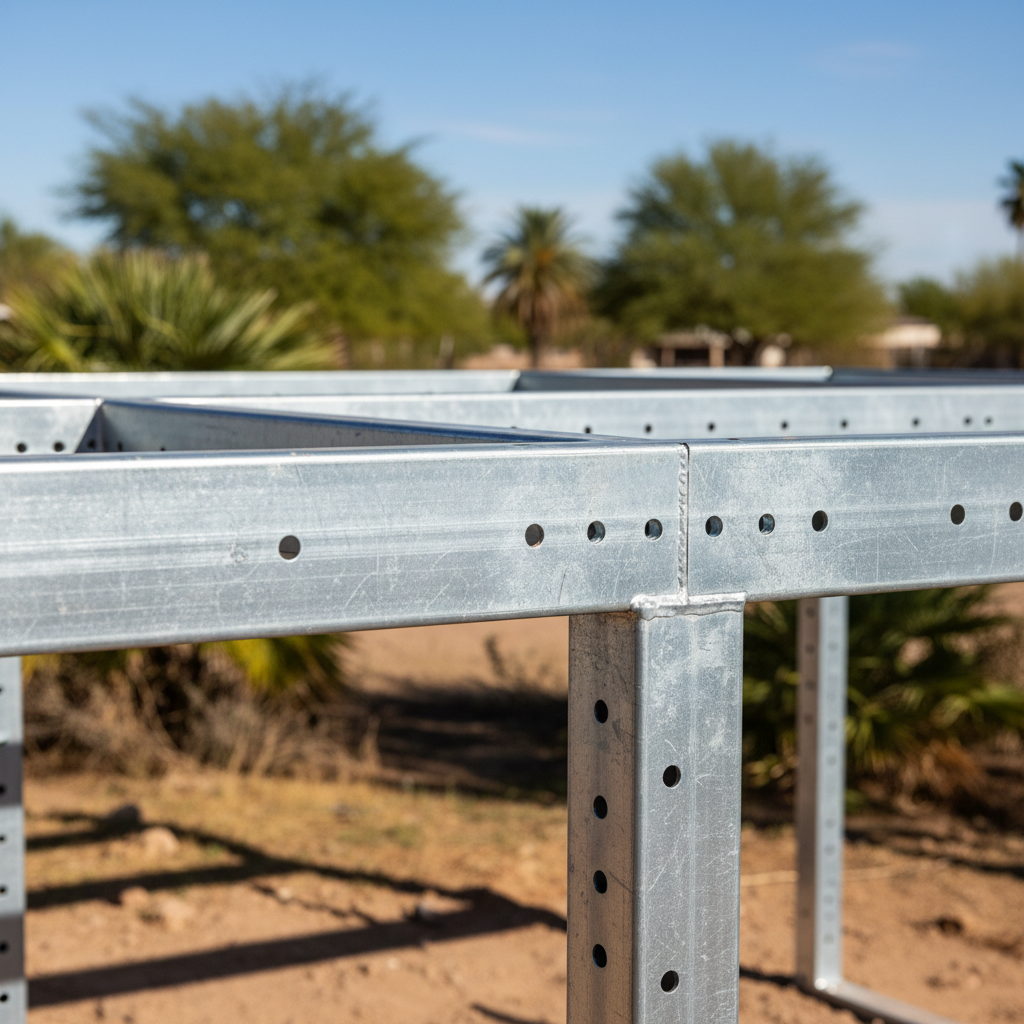
Getting Started: Before You Break Ground
So, you're thinking about a new metal post-frame building for your place here in El Mirage. Maybe it's a workshop, some extra storage, or even a small barn. That's a smart move; these buildings are tough, durable, and they really do add value. But hold on a minute. Before you even think about ordering materials, there are some really important steps you absolutely can't skip.
First things first: permits. I cannot stress this enough. You're in El Mirage, and the city has rules, right? You'll need to check with the El Mirage Planning and Zoning Department to figure out exactly what's required for your specific project. This isn't just some bureaucratic hoop to jump through; it makes sure your building is safe and up to code. Trying to build without one? That's a headache you definitely don't want, believe me. They'll probably want to see site plans, engineering drawings, and maybe even a drainage plan, especially with our monsoon season. You might be able to sketch out a basic site plan yourself, but for the engineering, you'll absolutely need a pro. That's not a DIY job.
Next, take a good look at your site. Is it level? What's the soil like? Here in El Mirage, we often run into caliche, which can be a real bear to dig through. You might think you can handle the site prep yourself, and for a small, simple pad, maybe you can. But if you're talking about a lot of grading, bringing in fill dirt, or dealing with rocky ground, you're probably better off hiring an excavator. They've got the heavy equipment and know how to get it done right and fast. A proper foundation, even for a post-frame building, is key to making it last.
Then there's the kit itself. You can buy these metal building kits from all sorts of suppliers. Do your homework, seriously. Look at the quality of the steel, the fasteners, and especially the instructions. Some kits are designed with the DIYer in mind, while others are really meant for experienced builders. If you're planning on doing a lot of the work yourself, make sure the kit's instructions are clear and easy to follow. This is where Surprise Metal Buildings can help; we've seen plenty of kits come through and can give you advice on what works best.
The Build: What You Can Tackle, What You Shouldn't
Alright, permits are in hand, the site's prepped, and your kit's delivered. Now for the fun part: putting it all together. This is where the DIY vs. pro decision really comes into play.
What you can realistically do yourself:
- Unloading and organizing materials: This is just grunt work, honestly. Grab some friends, rent a forklift if you need one, and get everything sorted.
- Reading and understanding the plans: Take your time here. Know every single piece.
- Some framing components: Depending on how complex it is, you might be able to set some of the girts and purlins.
- Sheeting the roof and walls: A handy homeowner can often manage this, especially with good instructions and safety gear. It's repetitive, but it needs to be precise.
- Installing doors and windows: Again, if you're comfortable with basic carpentry and following directions, this is totally doable.
- Interior finishing: If you're adding insulation, interior walls, or electrical, that's often where homeowners really shine, customizing the space to their exact needs.
When to call in the pros:
- Setting the posts: This is absolutely critical. Posts need to be plumb, at the right depth, and properly anchored. If they're off, your whole building will be off. For bigger buildings, you'll need heavy equipment to set them, and that's not something you want to learn on the fly.
- Truss erection: Trusses are heavy and awkward. Getting them up safely and accurately demands specialized equipment and experience. This is one of the most dangerous parts of the build if you don't know what you're doing. Seriously, don't mess around with this.
- Any structural welding: Unless you're a certified welder, leave this to the experts. Your building's integrity depends on it.
- Electrical and plumbing: Unless you're a licensed electrician or plumber, these are jobs for professionals. It's all about safety and meeting code, you know?
Even if you plan to do most of it yourself, think about hiring a crew for the really heavy lifting, like setting posts and trusses. It'll save you time, potential injury, and make sure the structural bones are perfectly aligned. Then you can take over for all the finishing touches.
After the Build: Maintenance and Upkeep
Okay, your new metal post-frame building is up and looking good. Now what? Just like any investment, it needs a little love to keep it in top shape, especially with our Arizona sun beating down on it.
First, keep an eye on the fasteners. Over time, things can loosen up, particularly with temperature changes. A quick annual check to tighten any loose screws, especially on the roof and siding, can prevent leaks and keep everything secure. Also, check the sealant around doors and windows; the sun can really bake it, causing cracks. Reapplying sealant every few years will keep water and dust out.
Speaking of dust, a good rinse with a hose a couple of times a year will keep the exterior looking fresh. Our desert dust can really pile up. For tougher spots, a mild detergent and a soft brush will do the trick. Just avoid harsh chemicals that might damage the paint finish.
Inspect your foundation and the ground right around the building. Make sure water is draining away from the structure, not pooling against it. This is super important during monsoon season. If you see any signs of erosion or settlement, deal with it quickly to prevent bigger problems later on.
That's about it. A metal post-frame building is a solid investment, and with a little planning and smart decisions about when to DIY and when to call in the pros, you'll have a structure that serves you well for decades.